
Behind the Scenes: The Harsh & Rewarding Life of Aircraft Maintenance Technicians
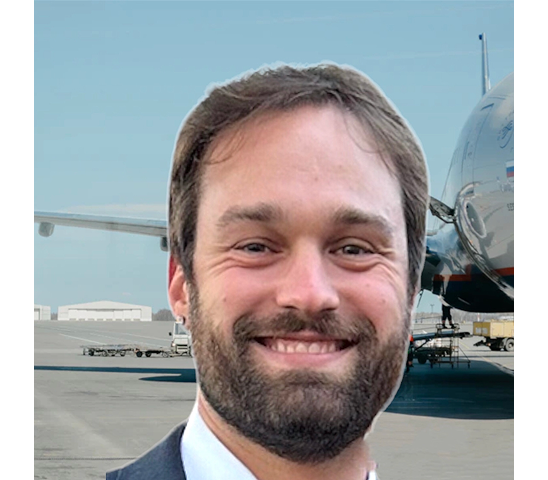
The role of an aircraft maintenance technician (AMT) often goes unnoticed, with the public only paying attention when something goes wrong or there's a delay. However, this job is far more significant, dangerous, and exhausting than most realize. Technicians hold the lives of passengers and crew in their hands.
In an emergency, pilots can only do so much, and if a maintenance-related issue is severe enough, it could result in fatalities. Imagine the emotional toll on an AMT whose improper tightening of a bolt or screw caused such a tragedy. This job is serious, and it's refreshing to see the public starting to understand its importance.
Types of Maintenance
Daily maintenance on aircraft ranges from heavy checks, where the plane is almost completely disassembled for inspection, to service checks, which involve checking brakes, tires, lights, oxygen, oil, hydraulics, and more.
Line maintenance involves quick, routine tasks on the ramp between flights, like checking tire pressure or refilling fluids.
Hangar maintenance includes more extensive work like engine overhauls, requiring the aircraft to be taken out of service.
Why Planes Get Grounded
Technicians face different challenges daily, with almost no two days being the same. Sometimes, issues arise that require tough decisions, such as grounding the aircraft. This decision, though inconvenient, is sometimes necessary for safety.
Planes might be grounded due to several maintenance issues:
- Engine Problems: Unusual vibrations, oil leaks, or performance anomalies - Hydraulic Failures: Problems in systems controlling landing gear, brakes, and flight controls - Landing Gear Malfunctions: Issues with extension or retraction - Avionics Issues: Faults in navigation, communication, and flight control systems - Structural Damage: Cracks, corrosion, or other structural damage - Electrical System Failures: Critical electrical faults - Fuel Leaks: Any indication of fuel system problems - Cabin Environment Issues: Problems with pressure, temperature, or air quality systems
The Physical Demands
The physical demands of working on line maintenance are often under-appreciated. Aircraft fly day and night, through all seasons and weather, meaning technicians work outside in extreme conditions.
They brave freezing temperatures at Chicago's O'Hare, unbearable humidity and torrential downpours at Miami International, and dehydrating 101°F plus-conditions at Phoenix's Sky Harbor.
They squeeze into the tightest spaces to inspect wing fuel tanks, occasionally get soaked in hydraulic fluid, and breathe in brake disc dust. They face the risk of being sucked into a running jet engine, electrocuted by 115 volts AC, or losing a limb to control surfaces operating under 3000 psi hydraulic fluid.
This job isn't for the faint of heart or the incompetent. AMTs do this because they love their work and want the public to truly appreciate the intense efforts that go on behind the scenes.
A Final Note
At the end of the day, each AMT goes home knowing they've done their best to ensure their assigned aircraft is airworthy and that passengers feel as safe as if their own family were on board.
So, the next time you stroll through an airport and see someone in company-colored cargo pants, with a smidge of dirt and grime, thick steel-toe boots, and a six-inch ruler sticking out of their shirt pocket, take a second to shake their hands and thank them.
The safety of your next flight relies on their competence, diligence, and integrity.
About the Author
An alumnus of the Pittsburgh Institute of Aeronautics and eight-year veteran Delta Airlines Aircraft Maintenance Technician who runs the popular plane spotting channel "Spottin_Planes."
Connect on LinkedInExplore More from AMTIL
Discover our interactive encyclopedia and training resources.